

Last Updated on June 18, 2026 by Lucaa
The sound of the handpan often feels calm and almost magical. It can pull you into a quiet, peaceful space. The instrument also has a very unique look, like a small metal “flying saucer.” Because of its sound and shape, it has caught attention all over the world. A big part of this growing interest also comes from Hang Massive and their work with it.
From its early and almost unknown beginnings to becoming a global instrument, the handpan has grown a lot in the last 20 years. During this time, many artists started using it, but Hang Massive stood out. Daniel Waples and Marko Dragon built their music around it and helped more people discover its sound.
Their journey is closely tied to the rise of the handpan itself. By focusing on its simple but deep sound, they helped shape a new style of music. Their work introduced millions of listeners to the soft, flowing tones of this unique steel instrument.
The genesis of a unique sound: the handpan story
The handpan started in Switzerland. The first version was called the “Hang.” It was made by PANArt. The idea came from different drums in the world. Like the steelpan from Trinidad and the ghatam from India. The goal was simple: “to get more people”.
It felt new and calming. But it was made in very small numbers. So it was hard to get one. Because of this, other makers started building similar instruments. This is how the name “handpan” started to be used.
From steelpan to the first Hang
The steelpan came first. Makers learned how to shape steel so it could make clear notes. This idea inspired the Hang. The creators then took it further. They made an instrument to play with hands.
They tested many shapes and tunings. In the end, they made something more than a drum. It was a full instrument with soft and rich sound. Each Hang had its own voice, which made it special.
The evolution to the modern handpan
Over time, the original Hang became hard to find. So other builders started making their own versions. They learned how to shape and tune steel in new ways. Slowly, more handpans were made, and more people could play them.
The word “handpan” was then used for all these new instruments. This helped the sound spread all over the world. It also helped many new artists grow. This is how musicians like Hang Massive were able to share this sound with more people.
Hang Massive: building a path with the handpan
Hang Massive was formed when Daniel Waples and Marko Dragon came together. They both shared a strong interest in the handpan and its calm, deep sound. They felt it could do more than just simple music. It could also create strong emotions.
In the beginning, they played in public places. People would stop and listen while passing by. The sound was new for many, and it quickly caught attention. Their live performances helped more people discover the handpan for the first time. Their style was a mix of steady rhythm and free playing. Some parts felt strong and moving, while others felt soft and calm.

The meeting of minds: Daniel and Marko
Daniel and Marko worked well together from the start. Daniel liked making soft rhythms and simple handpan melodies. Marko understood music production and sound mixing. He knew how to shape sounds and make them feel bigger. When they joined, their skills matched well. One made the music feel natural, and the other helped shape the final sound.
The handpan was the main focus for both of them. Daniel was already playing it and sharing videos online. Marko later helped by adding simple electronic sounds. This mix gave Hang Massive a style that feels both calm and modern.
Early inspirations and musical philosophy
At the start, they listened to many types of music. They liked world music, electronic beats, and street music. Their goal was simple. They wanted music that is easy to listen to and also feels good inside.
The handpan stayed the most important part. Even when they added effects, they did not cover its sound. They only added small support sounds to make it better.
This simple way of working shaped their music.
The musical signature of Hang Massive
Hang Massive has a sound you can notice very fast. It is simple, but it feels deep. It is made of soft melodies and steady rhythm, but the way they mix it makes it special.
Some parts of their music feel wide and open, like you are outside in a calm space. Other parts feel very close, like the sound is right next to you. This change keeps the listener engaged without feeling heavy.
Their music never feels rushed. It moves slowly and smoothly. One layer comes in, then another. Everything builds step by step. Nothing feels sudden or forced.
This slow build is a big part of their style. It helps people relax and stay with the music for longer. You don’t need to try hard to understand it. You just listen, and it naturally pulls you in.
A lot of their identity comes from how they actually play the handpan. They don’t stick to one style. Sometimes it’s very light touches that let the notes breathe and ring out. Other times it’s stronger, more grounded hits that bring in rhythm and drive. That balance is what keeps their music both calm and alive at the same time.
Crafting meditative and rhythmic soundscapes
It feels calm, but it never feels empty. They layer soft tones with simple but thoughtful rhythms, and everything flows in a very natural way. Nothing feels random. Every note feels like it has a place.
In some tracks, they also add very light electronic textures. It’s not there to change the handpan sound, just to support it a little and add depth in the background. The main focus always stays on the natural tone of the instrument.
Part of why this sound feels so rich is the handpan itself. It has a central note with other tone fields around it, and when you play it, you don’t get just one clean sound. You get layers of soft harmonics that blend together. That’s what gives it that warm, floating feel.
Hang Massive understands this really well. They don’t try to force the instrument into something it’s not. They simply work with what it already offers. That’s why their music feels less like a “performance” and more like a space you can just sit inside and listen to.
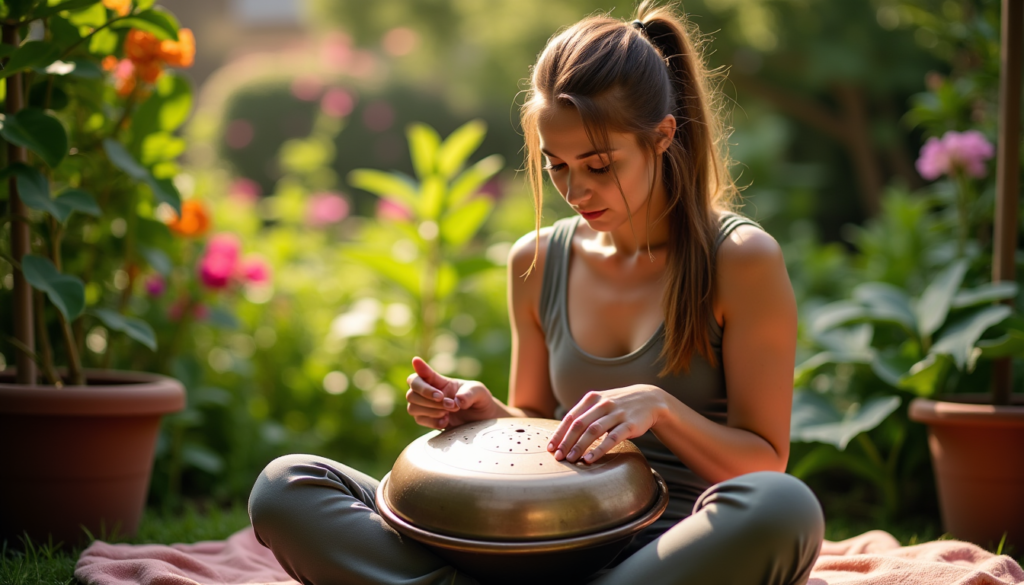
How Hang Massive built a global audience and real community
A big part of Hang Massive’s rise came down to timing and the internet. They didn’t need the traditional music industry path to reach people. Their early street performances and studio sessions were shared online, and a lot of those videos naturally spread on their own. That’s really how many people around the world first discovered both their music and the handpan itself.
What’s interesting is that this growth didn’t feel forced or heavily marketed. It was more like people found it, connected with it, and kept sharing it. Over time, that turned into a loyal fan base spread across different countries, all drawn to the same sound.
They also didn’t just stay behind the scenes as artists. Hang Massive openly shared parts of their process, talked about the instrument, and encouraged others to explore it too. That openness helped turn listeners into players, and listeners into a kind of community. Their approach goes beyond just music.
In the end, their success shows something simple but important: you don’t always need industry gatekeepers if the connection with people is real, consistent, and honest.
How the handpan shaped Hang Massive’s sound and path
For Hang Massive, the handpan isn’t just an instrument they picked up along the way; it’s really the base of everything they’ve built. Their whole music path was shaped by the handpan. Its sound is calm. Its feel is soft. It pulls you into a mood very easily. They chose it early, when not many people knew it. This shows they really connected with it from the start.
This helped Daniel and Marko a lot. They could make full songs without many other instruments. This simple way became their style. You can still hear it in their music today.
A few things really stand out in how the handpan influenced them:
- The sound itself, where rhythm and melody blend together naturally, helped them build a style that feels smooth and connected.
- Its soft, calming tone pushed their music toward a more peaceful, reflective feel that many listeners associate with relaxation.
- Because it’s light and easy to carry, it allowed them to perform in simple spaces early on and later take that sound worldwide without much limitation.
- And being early in the handpan scene also helped them connect directly with a growing community of players and listeners, which shaped their journey in a very real way.
Beyond the music: Hang Massive’s legacy and impact
Hang Massive’s impact goes far beyond their albums and live shows. They helped turn the handpan from a little-known instrument into something people all over the world now know and love. Because of their work, many new players and instrument makers were inspired to start their own journey. Their path is a simple example of independent music working on a global level.
Today, the handpan is used in many styles of music, from calm ambient sounds to world music. Hang Massive played a big part in making this possible and helping the instrument find its place in modern music.
Through their consistent output and engaging presence, Hang Massive has helped to demystify the handpan, making it less of an enigma and more of an accessible instrument for aspiring musicians. Their work has undoubtedly contributed to the growth in demand and availability of quality instruments globally. For those looking to explore the world of handpans and find an instrument that resonates with them, exploring options from this handpan shop can be a great starting point, showing just how far the instrument has come since its humble beginnings.
| Aspect of influence | Description of impact |
| Musical style | Pioneered a unique blend of meditative and rhythmic handpan music, inspiring a new sub-genre. |
| Instrument popularity | Significantly increased global awareness and appreciation for the handpan through viral content. |
| Artist empowerment | Demonstrated a successful independent career model for musicians in the digital age. |
| Community growth | Fostered a global community of handpan players and enthusiasts, promoting shared learning and appreciation. |
Why Hang Massive still feels so special with the handpan
Hang Massive’s story kind of grows right alongside the handpan itself. What started as a strange, almost mysterious instrument called the Hang slowly turned into the handpan we see in so many different styles today. And through all of that, the instrument found its own quiet place in music.
What makes Hang Massive different is simple. They did not use the handpan like a trend or just soft background sound. They spent time with it. They tried new ways of playing it. They explored what it can do. Slowly, it shaped their music. That is why their sound feels so close to the handpan itself.
Even now, their music reaches people in a very simple way. It feels calm and peaceful. It gives a small escape from a busy day. Many people listen to it when life feels loud or stressful.
As more people discover the handpan, Hang Massive makes it easier for them to understand it. You don’t need to think too much. You just listen and feel it.


Comments are closed, but trackbacks and pingbacks are open.